
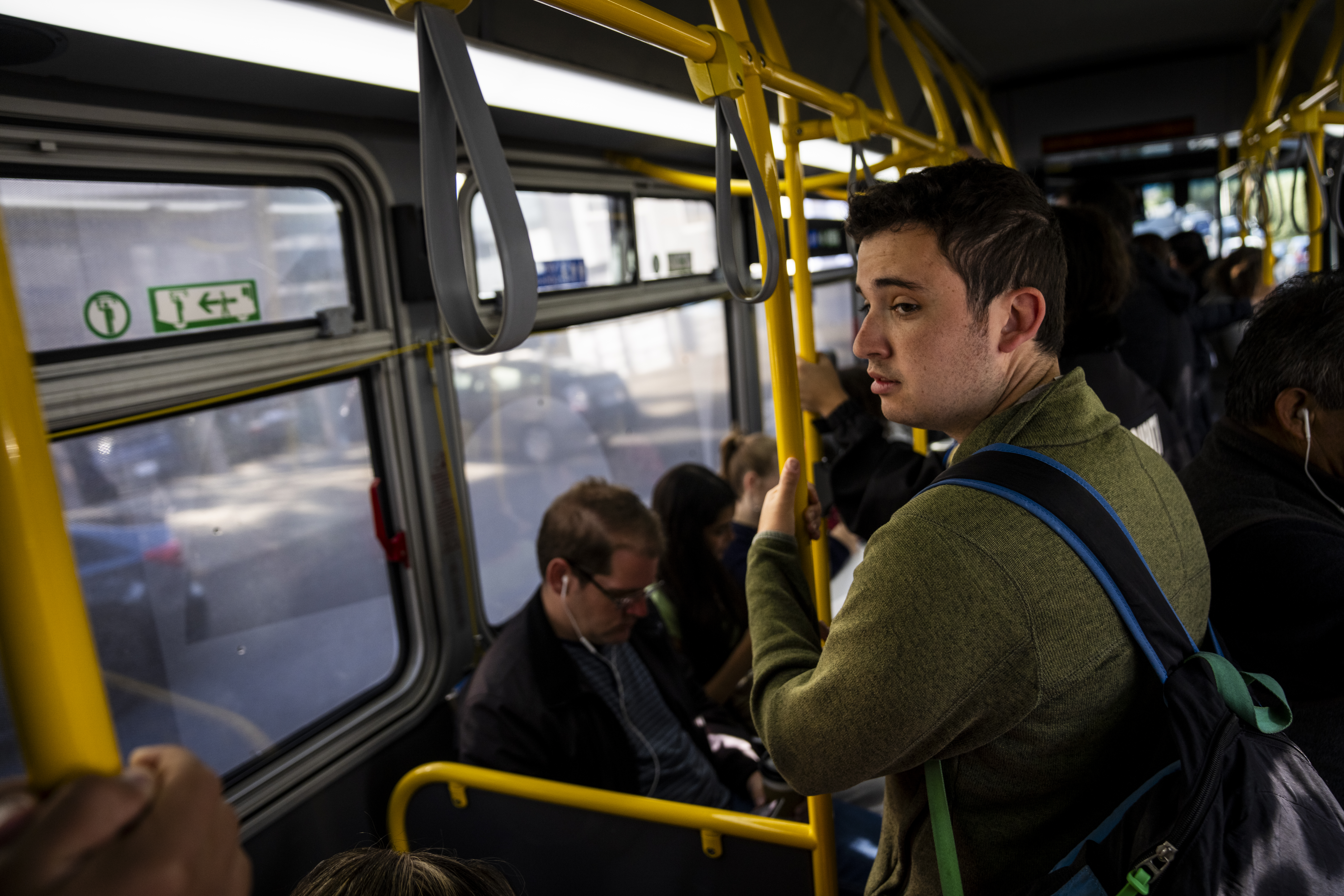
C— Julian Kantor, 22, wants many of the same things as other young adults; to spend time with friends, travel independently, pursue his interests and be part of the community around him. A student in AccessSFUSD The Arc, a transition program for adults with cognitive disabilities ages 18 to 22, he has spent the last four years learning how to navigate San Francisco, participate in workplace internships and prepare for life beyond the public school system.
Graduation brings a question familiar to many families of adults with disabilities: what comes next? While school has provided structure, opportunities and support, adulthood often requires navigating a complex network of services, programs and community resources that can vary widely in availability and accessibility.
The United States is approaching its 250th anniversary, and much of the national conversation centers on freedom, opportunity and independence. For Americans with cognitive disabilities, those ideals can carry a different meaning. Independence is often measured not by grand achievements, but by everyday moments: crossing a street safely, holding a job, managing money, maintaining friendships or navigating a city alone.
For much of American history, people with intellectual and developmental disabilities were excluded from schools, workplaces and public life. While decades of advocacy and disability rights legislation have expanded opportunities for inclusion, many barriers remain. Julian’s life reflects both that progress and the challenges that persist.
When Julian cannot find the words his mother, Lucia Kantor, helped transcribe his thoughts, Julian said he wants what many Americans want: the ability to move through the world on his own terms.
“I want people to see me for who I am,” Julian said. “I want to go places on my own, be with my friends and be part of my community.”
Caption: Julian Kantor, 22, of San Francisco, rides Muni Route 24 to AccessSFUSD The Arc on his second-to-last day of school in San Francisco, California, on Monday, June 1, 2026. Over the past four years, Julian has learned to navigate the city’s public transportation system independently as part of the transition program for adults with cognitive disabilities.
